What Is Bacteriostatic Water? The Complete Guide to BAC Water
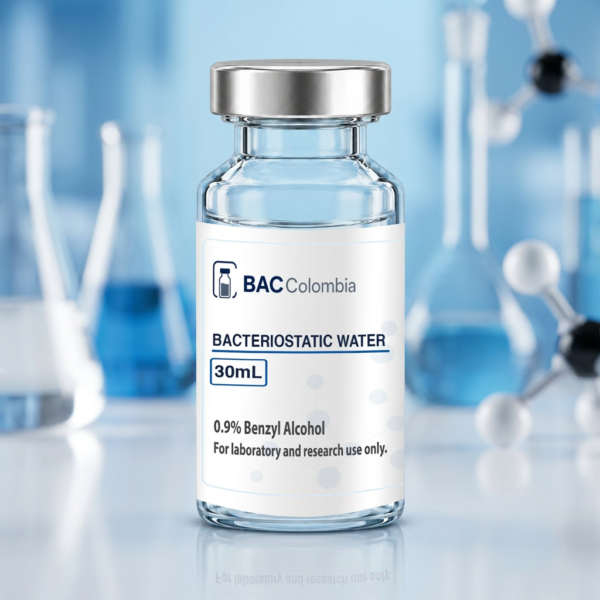
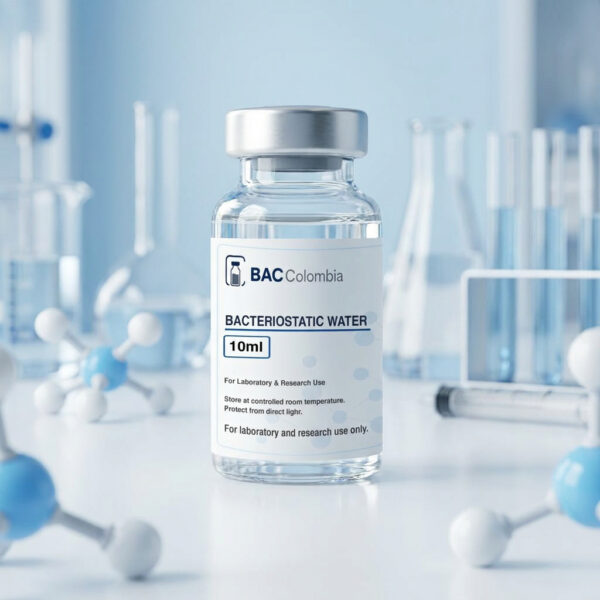
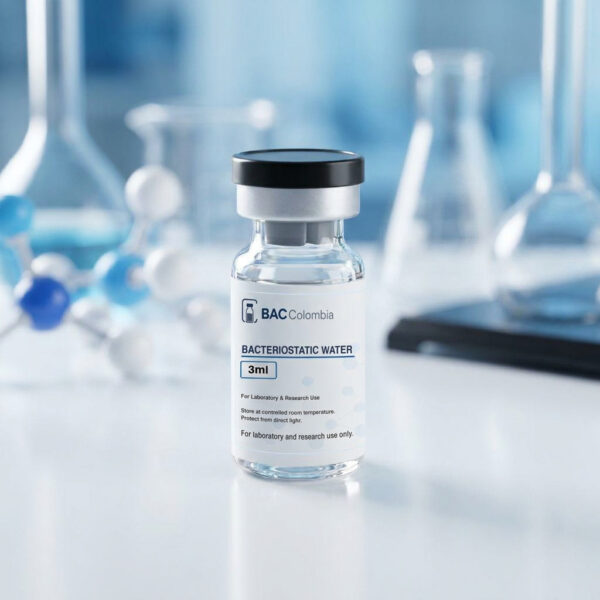
Bacteriostatic water, commonly called BAC water, BWFI (Bacteriostatic Water for Injection), or agua bacteriostática, is sterile purified water containing 0.9% benzyl alcohol as a bacteriostatic preservative.
It is widely used in laboratory, research, pharmaceutical, and controlled preparation environments where sterile water with preservative support and extended handling flexibility is required.
Despite being one of the most commonly referenced sterile laboratory liquids, bacteriostatic water is often poorly explained online. Many websites oversimplify the product, ignore quality standards entirely, or fail to explain what actually separates high-quality BAC water from generic sterile water products.
This guide explains what bacteriostatic water is, how BAC water works, what “bacteriostatic” actually means, how bacteriostatic water is tested, and what to look for when purchasing BAC water in Colombia.
What Does “Bacteriostatic” Mean?
The word bacteriostatic literally means bacteria-inhibiting.
In bacteriostatic water, this effect is achieved using benzyl alcohol, a preservative added at a concentration of 0.9% (9mg/mL). The benzyl alcohol helps inhibit the growth and reproduction of bacteria within the solution under controlled handling conditions.
Importantly, bacteriostatic does not mean antibacterial or sterilizing. The preservative is intended to inhibit bacterial growth – not function as a disinfectant.
According to pharmaceutical labeling referenced by the U.S. National Library of Medicine, Bacteriostatic Water for Injection, USP is defined as sterile, nonpyrogenic water containing benzyl alcohol added as a bacteriostatic preservative.1
What Is BAC Water Made Of?
Standard bacteriostatic water contains only two primary ingredients:
- Sterile purified water
- 0.9% benzyl alcohol
While the formulation appears simple, high-quality bacteriostatic water depends heavily on:
- Water purity standards
- Sterile preparation procedures
- Filtration quality
- Container sterility
- Endotoxin control
- Lot traceability
- Third-party testing
These factors are what separate professionally prepared BAC water from low-quality or unverified products.
What Is BAC Water Used For?
Bacteriostatic water is commonly used in laboratory and controlled preparation environments requiring sterile purified water with preservative support.
Because benzyl alcohol helps inhibit bacterial growth, bacteriostatic water is commonly selected when repeated vial access or handling flexibility may be required.
BAC water is frequently referenced in:
- Research laboratories
- Sterile preparation environments
- Scientific workflows
- Pharmaceutical preparation systems
- Controlled laboratory handling procedures
At BACColombia, our focus is on supplying high-quality bacteriostatic water for laboratory and research applications in Colombia.
BAC Water vs. Sterile Water
One of the most common misunderstandings online is the difference between bacteriostatic water and sterile water.
Although both products are sterile purified water, bacteriostatic water contains a preservative while standard sterile water does not.
| Feature | Bacteriostatic Water | Sterile Water |
| Preservative | 0.9% Benzyl Alcohol | None |
| Common Names | BAC Water, BWFI, Agua Bacteriostática | Sterile Water, Agua Estéril |
| Purpose | Sterile water with preservative support | Sterile purified water only |
| Preparation Focus | Sterility + preservative control | Sterility control |
| Quality Testing | Endotoxins, pH, sterility, appearance | Endotoxins, pH, sterility, appearance |
The presence of benzyl alcohol is the defining characteristic that separates bacteriostatic water from standard sterile water.
Why BAC Water Quality Matters
Not all bacteriostatic water is prepared to the same standards.
In Colombia, many BAC water products are sold with little information regarding:
- Filtration methods
- Endotoxin testing
- pH verification
- Lot traceability
- Container quality
- Third-party testing
- Certificate of Analysis documentation
Because bacteriostatic water is a sterile laboratory product, quality verification matters significantly.
A professional BAC water supplier should be able to clearly explain:
- How the product is filtered
- How sterility is maintained
- What testing standards are used
- Whether batch traceability exists
- Whether COAs are available
What Is Sterile Filtration?
Most high-quality bacteriostatic water is processed using 0.22μm membrane filtration, commonly called sterile filtration.
Sterile membrane filtration is widely used throughout pharmaceutical and laboratory manufacturing because it helps remove microorganisms and particulate contamination from liquids during preparation.
The 0.22 micron standard is one of the most commonly referenced sterile filtration thresholds in pharmaceutical and laboratory environments.
What Is Endotoxin Testing?
One of the most important quality-control procedures for sterile laboratory liquids is bacterial endotoxin testing.
Endotoxins are components associated with the outer membrane of certain bacteria. Even after bacteria are no longer viable, endotoxins may remain present if proper preparation and purification controls are not followed.
The United States Pharmacopeia (USP) describes bacterial endotoxin testing under USP <85>, including methods using Limulus Amebocyte Lysate (LAL).2
What Is LAL Testing?
LAL testing refers to endotoxin detection methods using Limulus Amebocyte Lysate, a reagent derived from horseshoe crab blood cells that reacts in the presence of bacterial endotoxins.
One of the most commonly referenced formats is the LAL Gel-Clot Method, where clot formation indicates the presence of endotoxins under controlled testing conditions.
For bacteriostatic water suppliers, endotoxin testing is one of the clearest indicators that quality control procedures are being taken seriously.
What Does USP-Grade Mean?
The term USP-grade refers to materials manufactured to standards associated with the United States Pharmacopeia (USP), one of the most widely recognized pharmaceutical quality reference systems in the world.
USP standards may include specifications relating to:
- Purity
- Identity
- Preparation standards
- Testing procedures
- Quality requirements
When BAC water suppliers reference USP-grade materials, they are generally referring to the quality standard of ingredients or preparation components used in manufacturing.
What Should You Look for When Buying BAC Water in Colombia?
If you are purchasing bacteriostatic water in Colombia, avoid evaluating products based only on labels or pricing.
Instead, look for suppliers that provide:
- Third-party laboratory testing
- Lot-number traceability
- COA documentation
- Sterile filtration information
- Clear preservative concentration details
- Professional packaging
- Transparent quality standards
The difference between professional laboratory-grade bacteriostatic water and generic low-transparency products is often substantial.
BACColombia: Premium BAC Water in Colombia
BACColombia was built to provide high-quality bacteriostatic water in Colombia with a focus on:
- Professional sterile preparation standards
- Third-party quality testing
- USP-grade materials
- Sterile filtration
- Lot traceability
- Transparent quality documentation
Our goal is simple: provide premium BAC water products designed around reliability, consistency, and laboratory-quality standards.
We currently offer:
- Bacteriostatic Water 3mL
- Bacteriostatic Water 10mL
Both products are professionally packaged and fulfilled directly from Colombia.
Frequently Asked Questions About BAC Water
What does BAC water stand for?
BAC water stands for bacteriostatic water.
What is the difference between BAC water and sterile water?
Bacteriostatic water contains 0.9% benzyl alcohol as a preservative, while sterile water does not contain a preservative agent.
What does BWFI mean?
BWFI stands for Bacteriostatic Water for Injection.
What is benzyl alcohol?
Benzyl alcohol is a preservative commonly used in bacteriostatic water at a concentration of 0.9%.
What is LAL testing?
LAL testing is a bacterial endotoxin testing method using Limulus Amebocyte Lysate reagent.
What is endotoxin testing?
Endotoxin testing is a quality-control procedure used to detect bacterial endotoxins in sterile laboratory products.
What does USP-grade mean?
USP-grade refers to standards associated with the United States Pharmacopeia relating to purity and quality specifications.
Sources
- DailyMed. “Bacteriostatic Water for Injection, USP.” U.S. National Library of Medicine. View Source
- United States Pharmacopeia. “USP <85> Bacterial Endotoxins Test.” View Source
- United States Pharmacopeia. United States Pharmacopeia Official Website